
Kuršių nerija: šiaurinės dalies žiedas
Maršrutas prasideda iš Nidos ir baigiasi Juodkrantėje. Apima smėlio kopas, senovės kapinynus ir jūros vaizdus. Tinka puikiai nupiešti savaitgaliui.
Skaityti daugiau →
Atraskite gražiausius kelius per Kuršių neriją ir Žemaitiją. Maršrutai, skirti tiems, kurie mėgsta grąžias pauzas ir autentiškas patirtis.
Kodėl pasirinkti mūsų maršrutus
Kiekvienas maršrutas aprašytas su tiksliais atstumanis, viršeliais ir geriausiomis vietos pauzėms. Žinai lygiai kur sustojimu ir ką tikėtis.
Mūsų vadovai aprašo, kada važiuoti, kokia oras ir kokie pavojūs galimi. Pasiruošk teisingai ir naudokis laiku.
Mes suradome geriausias sustojimo vietas — nuo istoriškų bažnyčių iki senovinių kaimų. Ne tik važiavimas, bet ir autentiška patirtis.
Jei tu fotografas ar tiesiog mėgsti gražias nuotraukas, mūsų maršrutai pilni įspūdingų vaizdų. Smėlio kopos, jūra, senovinė architektūra.
Pradėk čia
Skirta entuziastams virš 45
Neskubame. Sustojame dažnai, sėdime, valgo, pasikalbame. Tai ne lenktynės, tai savaitgalis su draugais.
Nuo miesto sumaištymo į mažus kaimus, per žemės ūkio laukus ir jūros pakrantę. Gryna, šviežia aplinka.
Kiekvienas maršrutas yra kelionė į Lietuvos širdį. Senovinės bažnyčios, žemaičių tradicijos, gintaro istorija.
Jokių neišbandytų greitkelių. Tik pagrindinis keliavimas, kuris yra saugus ir lengvai pasiekiamas automobiliu.
Nuo 2020 metų sudedame detalizuotus keliavimo vadovus Lietuvoje. Čia yra skaičiai, kurie rodo mūsų darbą.
Keturi pilnai dokumentuoti maršrutai, kurie aprašo kelius, sustojimų vietas ir sezoninę informaciją.
Dešimt straipsnių, kurie padeda suprasti Lietuvos kelionių ypatumus ir paruošiamąjį darbą.
Mūsų redakcinė komanda kuria turinį nuo 2020 metų, reguliariai atnaujindama vadovus sezonams.
Mūsų principai
Nėra sugalvotų aprašų. Kiekvienas maršrutas aprašytas tiksliai, su realiais atstumainis ir grįstais kelionės laikais.
Pavasarį žydės gėlės, vasarą būna šilta ir jūra pakviesčiama, rudenį spalvinga, žiemą šalta. Mes nurodome, kada važiuoti.
Vietoj brangių restoranų — sėdžiame su vietos žmonėmis. Vietoj sovenirų — suprantame istoriją.
Ne tik aprašymai, bet ir savaitys. Kaip užtankyti, kur pailsėti, ko pasiimti su savimi, kokius numatomus laikus.
Pasirink maršrutą, pakrauk automobilį ir nuvažiuok. Mūsų vadovai viskas paruoš — nuo grįžimo kelių iki sustojimų vietų.
Klaidžioji aukštakepiais keliais
Negali rasti geros vietos sustoti
Nesupranti vietos istorijos
Praleiži geriausias nuotrauko vietas
Nustatytas, saugus ir gražus maršrutas
Žinai geriausias sustojimų vietas iš anksto
Supranti žemaičių ir kuršių kultūrą
Visos nuotraukos yra jau laukusios tavęs
Mūsų ryškiausi maršrutai
Maršrutas prasideda iš Nidos ir baigiasi Juodkrantėje. Apima smėlio kopas, senovės kapinynus ir jūros vaizdus. Tinka puikiai nupiešti savaitgaliui.
Skaityti daugiau →Aplankykite senovines bažnyčias, žemaičių tradicinius kaimus ir Telšių kalną. Idealus maršrutas tiems, kurie mėgsta istoriją ir kultūrą.
Skaityti daugiau →Skubūs nuėjimai prie jūros su sustojimais gintaro paplūdimiuose ir vakarinėse pastaigose. Puikus keturių valandų maršrutas be skubos.
Skaityti daugiau →Taip, bet reikalinga papildoma atsarga. Žiemą keliai gali būti šlapias ir šliūrūs. Mūsų vadovai aprašo sezoninės problemos ir rekomenduoja važiuoti atsargiai. Visada turite žemėlapį ir rezervinį planą.
Maršrutai yra nuo 4 iki 8 valandų, priklausomai nuo sustojimų skaičiaus ir laiko, kurį praleidi kiekviename vietos. Mūsų vadovai nurodą tikslias valandas.
Žinoma! Visa informacija yra skirta bendram naudojimui. Jei norite dalintis su draugais, naudokite nuorodas į mūsų vadovus.
Taip, bet kiekvienas sezonas turi savo grožį. Pavasarį žydės gėlės, vasarą gražus oras, rudenį spalvinga, žiemą ramiau. Visada yra ką aplankyti.
Kategorija
Peržiūrėk visus mūsų sudėtytus maršrutus. Nuo jūros pakranto iki Žemaitijos nuotraukų.
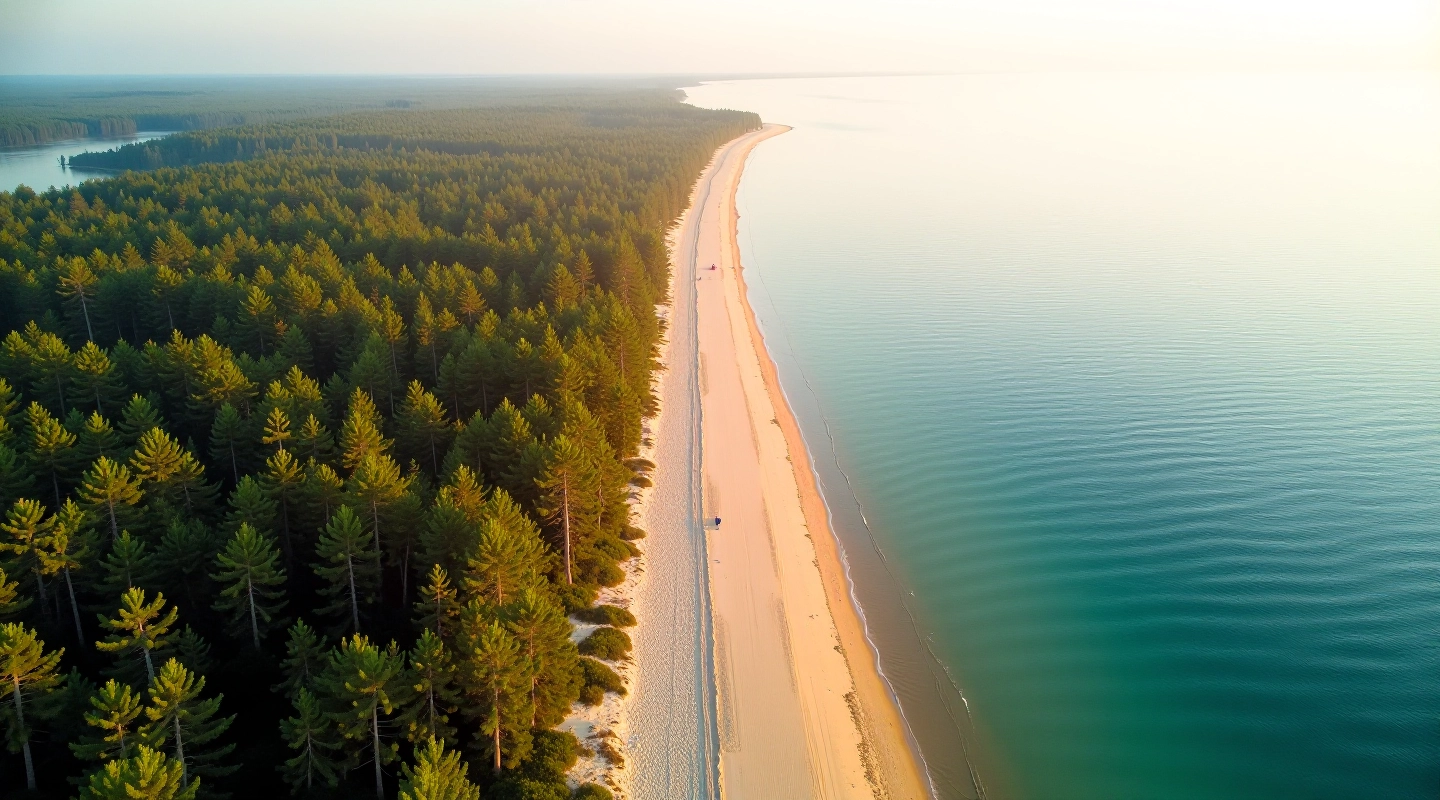
Maršrutas prasideda iš Nidos ir baigiasi Juodkrantėje. Apima smėlio kopas, senovės kapinynus ir jūros vaizdus. Tinka puikiai nupiešti savaitgaliui.
Peržiūrėti →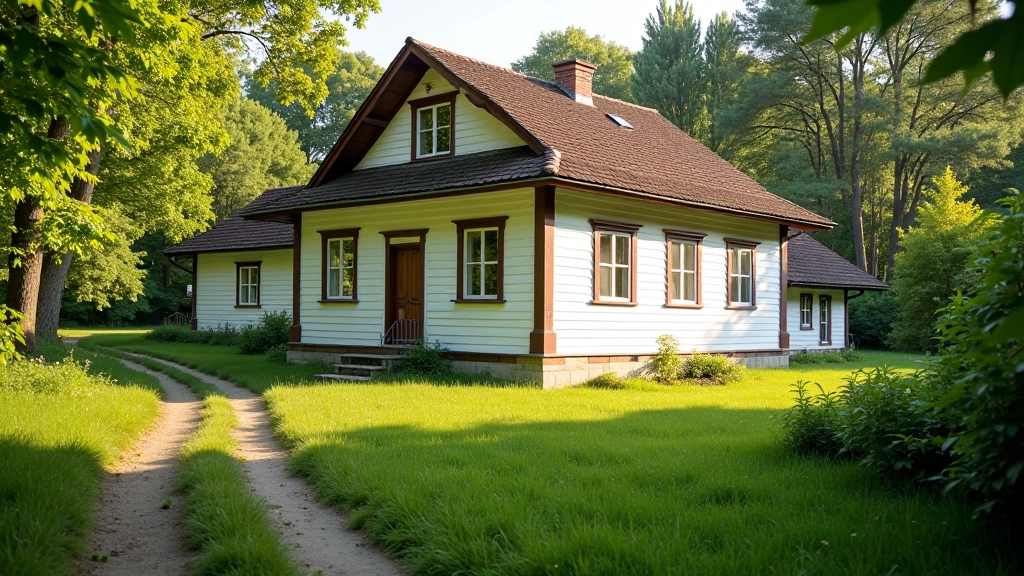
Aplankykite senovines bažnyčias, žemaičių tradicinius kaimus ir Telšių kalną. Idealus maršrutas tiems, kurie mėgsta istoriją ir kultūrą.
Peržiūrėti →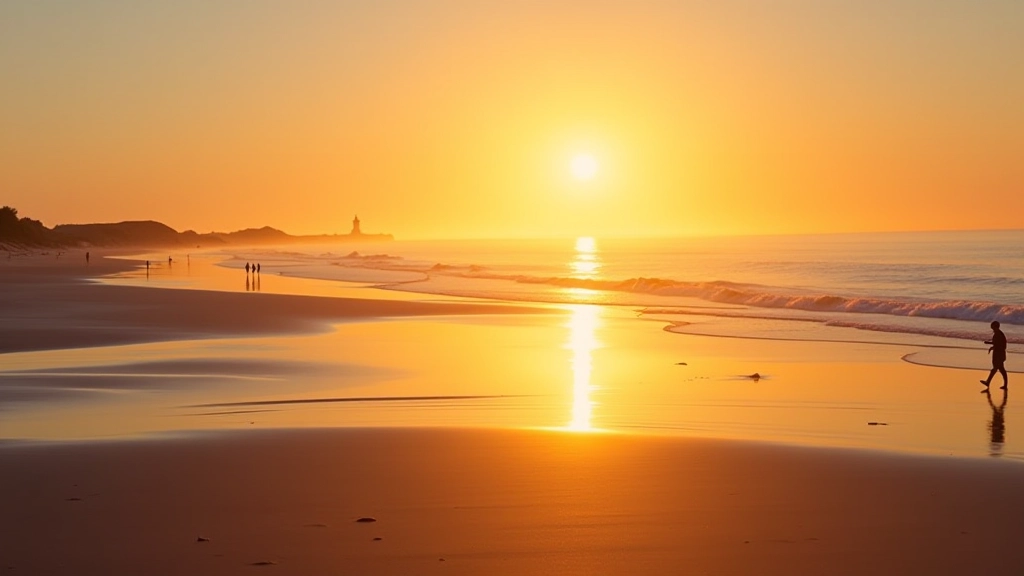
Skubūs nuėjimai prie jūros su sustojimais gintaro paplūdimiuose ir vakarinėse pastaigose. Puikus keturių valandų maršrutas be skubos.
Peržiūrėti →Naudojame slapukus jūsų patirtimi. Jei sutinkate su slapukų naudojimu, spustelėkite „Priimti".